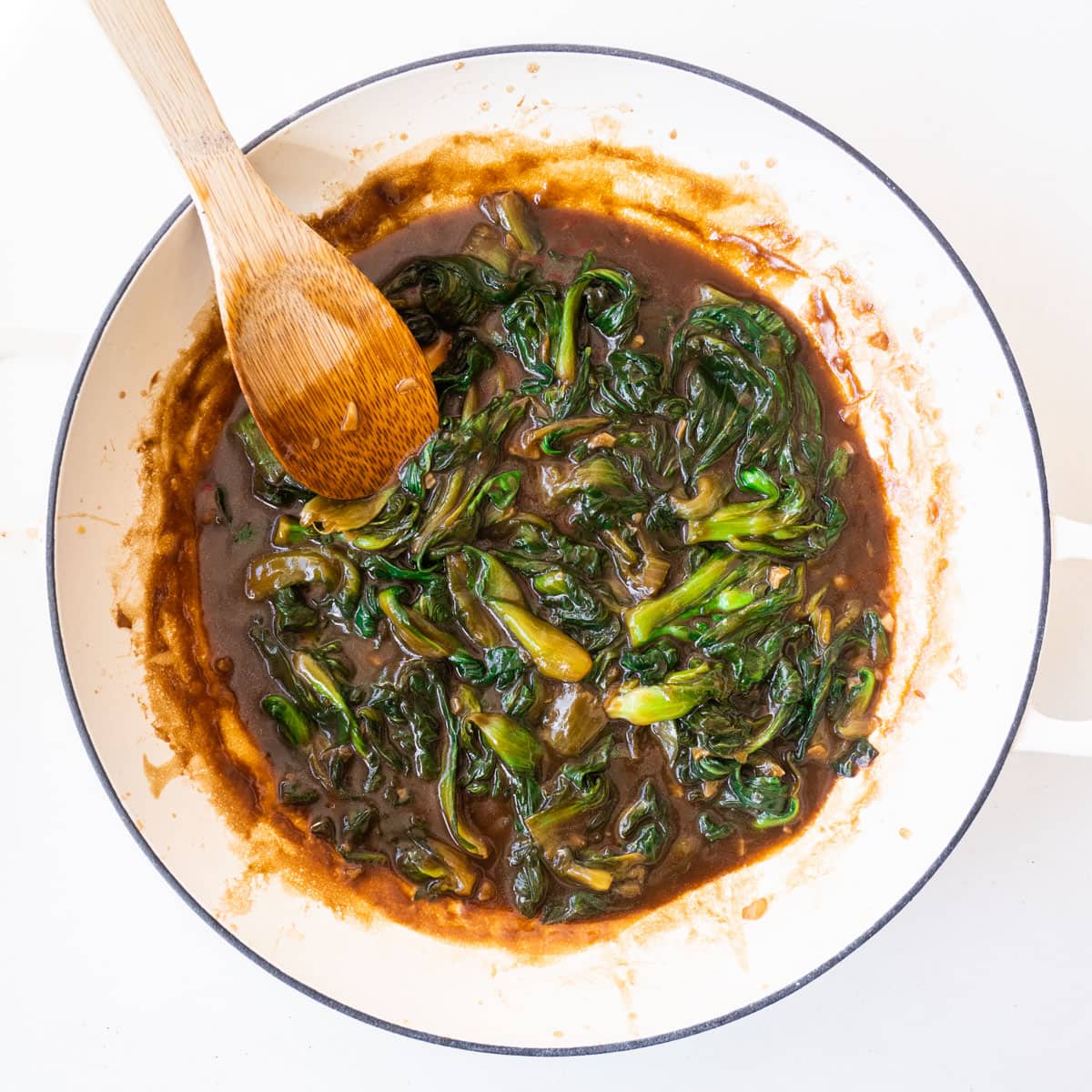
The simple yet profound pleasure of a perfectly executed stir-fry is hard to beat, especially when it features vibrant, crisp-tender bok choy enveloped in a rich, savory brown sauce. This isn't just another weeknight meal; it's a culinary journey that brings the authentic flavors of Asian cuisine right into your kitchen. Learning to craft a delicious bok choy stir fry in brown sauce is a skill that will serve you well, offering a healthy, flavorful, and incredibly quick dish that can easily become a family favorite.
For many, bok choy holds a special place. Its mild, slightly peppery flavor and satisfying crunch make it a versatile vegetable, equally at home in hearty soups, light sautés, or even creative pasta dishes. But for those craving something truly savory and comforting, a stir-fry featuring a thicker, more robust brown sauce hits all the right notes. This article will guide you through creating an authentic bok choy stir fry in 15 minutes with an easy brown sauce recipe that’s bursting with flavor and ready to serve over a bed of fluffy rice or silky noodles.
The Humble Hero: Preparing Your Bok Choy for Stir Fry
The foundation of any great dish lies in its ingredients, and for a bok choy stir fry in brown sauce, the bok choy itself is paramount. Whether you're plucking it fresh from your garden, selecting it from a local farmer's market, or picking it up at the grocery store, proper preparation is key to a delightful texture and taste.
Selecting, Storing, and Cleaning Bok Choy
- Selection: Look for bok choy with vibrant green leaves and firm, white stalks. Avoid any with yellowing leaves or soft spots.
- Storage: To keep bok choy fresh for as long as possible, store it unwashed in a plastic bag in the refrigerator's crisper drawer. It can last for a week or even longer this way.
- Trimming: Before cooking, trim off the very bottom of the bok choy head. This will allow the individual leaves to separate easily. If using larger bok choy, you might want to slice the stalks into smaller, bite-sized pieces and keep the leaves separate, as they cook at different rates. For baby bok choy, simply halving or quartering them lengthwise is often sufficient.
- Thorough Cleaning: This step cannot be overstated, especially if your bok choy is from a garden or farmer's market, where dirt can often hide within the crevices of the stalks. Submerge the separated leaves in a bowl of cold water, gently swishing them around to dislodge any grit. You can also rinse them under running water, fanning out the leaves and running your fingers over the stalks. A salad spinner can be invaluable here to ensure the leaves are relatively dry before stir-frying, preventing a watery result.
Aim for about one pound of bok choy for a generous serving for two to three people, adjusting as needed for your family's preferences. Remember, bok choy wilts significantly when cooked, so what looks like a mountain in your skillet will quickly reduce to a manageable portion.
Crafting the Flavorful Brown Sauce: The Heart of the Dish
While the bok choy provides the texture and freshness, it's the rich, savory brown sauce that elevates this dish from simple greens to an unforgettable meal. This sauce is incredibly versatile and can be adapted for various vegetable and protein stir-fries. The good news? It's surprisingly easy to make and comes together in mere minutes.
The Essential Ingredients for Your Signature Sauce
Our go-to brown sauce recipe, inspired by classic Asian culinary techniques, creates a perfect balance of umami, sweetness, and a touch of aromatic depth. Here’s what you’ll need:
- 1/4 cup low sodium soy sauce: The backbone of the sauce, providing essential saltiness and umami. Using low-sodium allows you to control the overall sodium content.
- 2 tablespoons brown sugar: Adds a beautiful depth of sweetness and helps with caramelization, balancing the saltiness of the soy sauce.
- 2 tablespoons all-purpose flour: This acts as a thickening agent, giving the sauce its luscious, coating consistency. Cornstarch can also be used for a gluten-free alternative, typically requiring less quantity (about 1 tablespoon) mixed with a little water before adding.
- 1 tablespoon rice cooking wine: Often Shaoxing wine in Chinese cooking, this adds a complex, slightly nutty flavor that is crucial for authentic taste. If unavailable, dry sherry can be a substitute.
- 1 teaspoon sesame oil: A small amount goes a long way, providing a distinctive nutty aroma that is characteristic of many Asian dishes. Add this at the end or just before serving to preserve its delicate flavor.
- 1 tablespoon vegetable oil: Used primarily for cooking the aromatics and coating the bok choy before the sauce is introduced.
To prepare the sauce, simply whisk all these ingredients together in a small bowl until smooth. Set it aside; you'll add it to the wok later. The flour will ensure a smooth, glossy sauce that clings beautifully to the bok choy, rather than a thin, watery broth.
Mastering the Stir-Fry Technique for Authentic Results
With your bok choy prepped and your healthy bok choy stir fry's quick brown sauce meal ready, it's time to bring everything together in a hot wok or large skillet. The key to a successful stir-fry is high heat and quick cooking.
The Steps to a Perfect Bok Choy Stir Fry
- Heat the Wok and Aromatics: Begin by heating your wok or large skillet over medium-high heat. Add a tablespoon of vegetable oil. Once shimmering, add 4 cloves of minced garlic (or more, if you love garlic!). Stir-fry for about 1-2 minutes until it becomes fragrant. Be careful not to burn the garlic, as this can impart a bitter taste.
- Add the Bok Choy: Once the garlic is fragrant, add all of your prepared bok choy to the wok. It might seem like a lot, overflowing the pan, but don't worry! Bok choy wilts down incredibly fast. Stir-fry constantly for 2-3 minutes, tossing to ensure all the leaves are coated in the fragrant oil and garlic. You'll notice it reducing in volume quite quickly.
- Introduce the Brown Sauce: Give your prepared brown sauce another quick stir (especially if you used flour, which can settle) and pour it over the wilting bok choy. Continue to stir-fry, ensuring every piece of bok choy is thoroughly coated in the rich sauce.
- Simmer to Thicken: Now, add about 1/2 cup of water to the wok, stirring it into the sauce. Reduce the heat to a simmer, allowing the sauce to gently bubble and thicken. This typically takes another 2-3 minutes. The flour in the sauce will work its magic, transforming it into a glossy, flavorful coating.
- Final Touches: Taste and adjust seasonings if necessary. Some prefer a dash more soy sauce for saltiness, or a pinch more sugar for sweetness. Serve immediately.
The entire cooking process, from fragrant garlic to thickened sauce, should take no more than 10-15 minutes, making this an ideal dish for busy weeknights without compromising on flavor or nutrition.
Serving Suggestions and Creative Variations
This bok choy stir fry in brown sauce is wonderfully satisfying on its own, but it truly shines when paired with other elements. Traditionally, it's served over steamed white or brown rice, which perfectly soaks up the savory sauce. Alternatively, you can serve it with noodles for a complete meal.
To enhance the dish further, consider these variations:
- Add Protein: Sauté sliced chicken, beef, shrimp, or tofu before adding the garlic. Remove the cooked protein, then proceed with the bok choy stir-fry, adding the protein back in with the sauce.
- Include Other Vegetables: Bell peppers, carrots, mushrooms, or snap peas can be added alongside or shortly after the bok choy to boost nutrition and color.
- Crispy Garlic Topping: For an extra layer of texture and flavor, thinly slice additional garlic and fry it in a separate pan with a little oil until golden brown and crispy. Sprinkle this over the finished stir-fry just before serving.
- Spice It Up: A pinch of red pepper flakes or a dash of chili oil can add a welcome kick for those who enjoy a bit of heat.
Creating an authentic bok choy stir fry in brown sauce is a rewarding culinary experience. It's a dish that embodies the speed and flavor of traditional Chinese cooking, demonstrating how simple ingredients, when prepared with care, can yield extraordinary results. By following these steps, you're not just cooking a meal; you're mastering a classic that will impress and satisfy for years to come.
